

Austin Home Appraisal + Valuation
Austin home appraisal + valuation.With evidence behind it.
A home is more than a ZIP code, its square footage or an algorithm. I look at the house itself, the market around it, and what the evidence can honestly support.
My appraisal services are provided through The Appraisal Shop. Not sure you need one? Start here. A high-value home? See luxury appraisal.
Diana RobertsTexas Agent · California Broker · Certified General Appraiser
What is an Austin home worth?The answer is not produced by multiplying the home's size by a neighborhood price-per-square-foot figure. A supported value comes from researching the property, understanding the market, identifying credible comparable evidence and analyzing the meaningful differences between properties.
Start Here
What do you need a number for?
A formal appraisal and a pricing conversation with Diana answer different questions. Pick the situation closest to yours and see which one usually fits.
General guidance only. The right assignment depends on the intended use, which the appraisal request process confirms.
01 / The Language of Value
Value is a language. Diana has spent 3,000+ appraisals learning to read it.
Appraisal requires methodology. Experience adds something harder to teach: pattern recognition.
Across more than 3,000 appraisal reports in California and Texas, and roughly 200 to 300 new assignments a year, Diana has studied how individual properties relate to the markets around them.
That repetition helps her recognize quickly which property characteristics are likely to matter, which comparable properties deserve attention, where the obvious data may be misleading and where a credible value range may be beginning to form.
The bulk of her luxury appraisal work falls between $1 million and $15 million, with selected complex lakefront, ranch and estate assignments of $25 million and more, across Tarrytown, Westlake, Rollingwood, Barton Creek, Lake Austin, Lake Travis, Spicewood and Lake LBJ. Luxury home appraisal in Austin.
Experience tells Diana where to look. Evidence tells her whether she's right.
02 / What Goes Into an Appraisal
Seven steps. Thousands of data points. One supported conclusion.
A credible appraisal is not one equation. It is seven steps, each building the evidence for the next.
Research the subject property.
Before visiting the home, Diana studies available property, ownership, sale, MLS, public-record, site and neighborhood information to understand the assignment and the asset being valued.
See the property. Photograph the evidence.
Diana observes the home, site, quality, condition, improvements, surroundings, views, privacy and other characteristics that may influence the analysis.
Document the improvements.
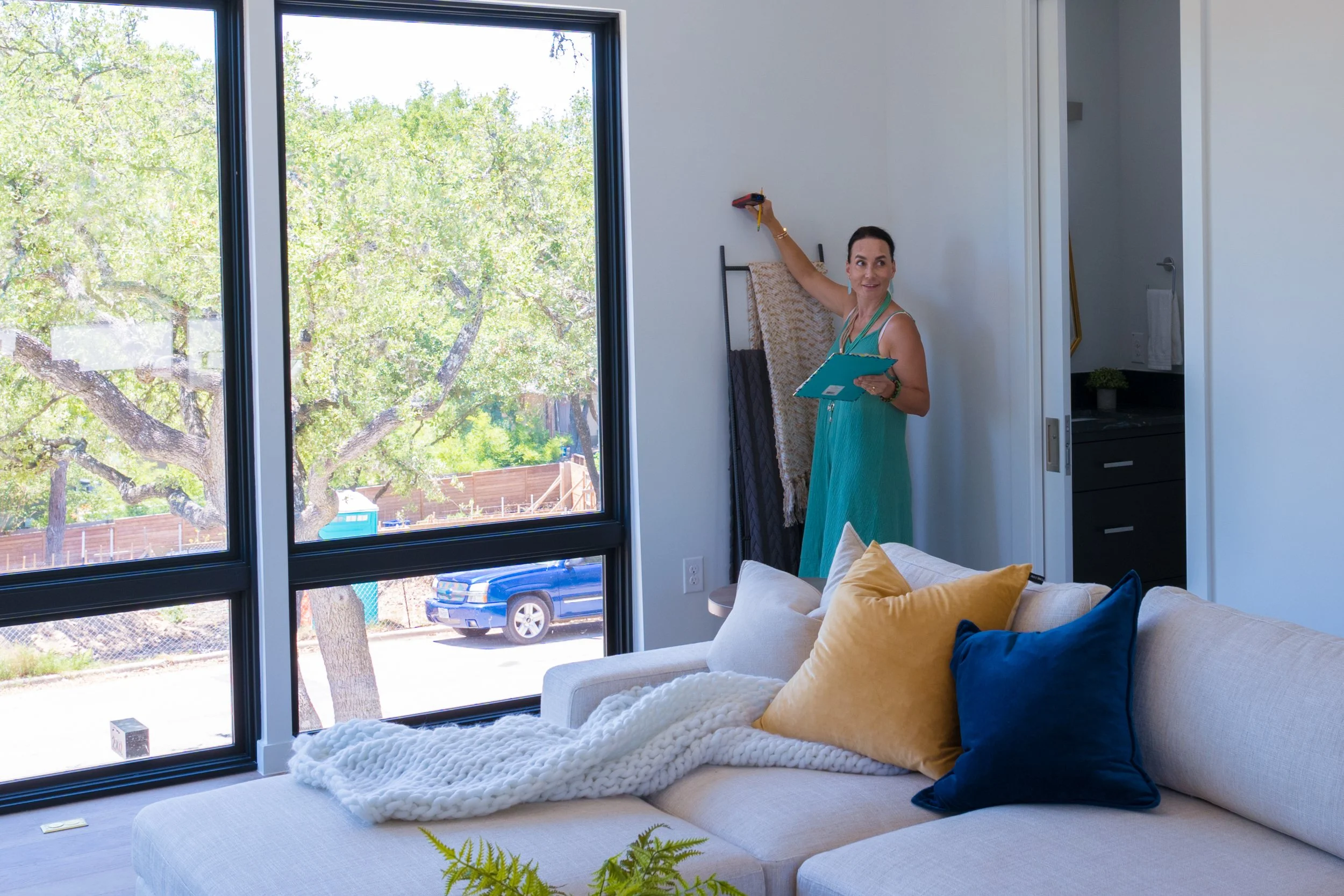
Measurement helps document the physical improvements and develop an accurate understanding of the property. Size matters, but it remains only one characteristic within the larger valuation analysis.
Ask what the public data may not show.
In Austin, important market information can exist outside the obvious closed-sale record. Diana speaks with knowledgeable agents and other market participants to learn about relevant pending, private, coming-soon or off-market activity when credible information may help explain the competitive market.
Closed + active market data
Private Exclusive and Coming Soon homes
What buyers and sellers are doing now
Listing agents · buyer agents · builders · appraisers · market participants
Comparable evidence can come from more than one place.
Diana looks across MLS data, market intelligence and public records, including tax and property records, to identify possible comparable properties. Then she determines which candidates actually provide credible evidence of value.
The closest property is not automatically the best comparable. No single source tells the whole story.
Closed sales, active listings, pending properties, listing history, concessions and property details.
Private inventory, Coming Soon, off-market activity and conversations with knowledgeable agents.
Tax records, appraisal-district data, ownership, recorded property characteristics and deed information.
Analyze the comparables and market data.
Diana evaluates meaningful similarities and differences, the reliability of the evidence, sale timing, market conditions, concessions and transaction details. Square footage is one data point, not the valuation method.
Reconcile the evidence. Conclude the value.
The final opinion comes from the total body of credible evidence, not from one statistic, one nearby sale, one contract price or one price-per-square-foot calculation.
03 / Austin Market Intelligence
The MLS tells you what is recorded. The market can tell you what is happening.
In Austin’s luxury and custom-home market, credible private, pending and Coming Soon information can add context the closed-sale record misses.
Closed sales + public records
What sold, when, for how much and on what terms, plus what the tax, appraisal-district and deed records show about the property.
Austin Market ReportsPrivate, pending + Coming Soon
Homes that have not reached the public record yet can still show where buyers and sellers are meeting right now.
See It First™ HomesCredible and relevant, or set aside
Any information used in an appraisal still has to be evaluated for credibility and relevance to the assignment. Market talk is context until it can be verified.
How an appraisal works04 / One Number Is Not a Valuation
Price per square foot is a data point. It is not a valuation method.
Two homes can contain nearly identical square footage and still have dramatically different values because of location, lot, view, privacy, condition, construction quality, floor plan, improvements and the properties buyers actually consider substitutes.
Home Size × Neighborhood $/SF = Value
A supported value comes from analyzing and reconciling the evidence.
05 / Value + Strategy
Two different questions. Both matter.
An appraisal and a brokerage pricing strategy can look at the same house and reach different numbers for good reasons.
What can the independent market evidence support?
A formal appraisal is developed for a defined client, intended use and scope of work.
The analysis is intentionally independent. The appraiser is not trying to make a deal work, satisfy a seller or justify what a buyer hopes to pay.
The appraisal is the emotionless side of value.
What will this buyer or seller actually do?
Brokerage pricing and negotiation advice asks a different question. It considers competition, timing, negotiating leverage and the human motivations behind the transaction. Diana can also use current Compass Buyer Demand and listing-engagement information as another market signal when it is relevant.
A particular buyer may pay more because the home is uniquely right for them. A seller may accept less because certainty, timing or terms matter more than squeezing out the final dollar.
That is the X factor.
Diana understands three different numbers. They can be identical. They do not have to be.
What does the independent evidence support?
The appraisal conclusion developed from the subject property, comparable evidence, market data and the requirements of the assignment.
Where should the property compete today?
Brokerage strategy considers current inventory, buyer search behavior, market momentum, positioning and the seller's objectives.
What will this buyer and this seller agree to?
Motivation, competition, timing, financing, concessions, risk tolerance and negotiating leverage can influence the final contractual selling price.
From Value to Strategy
The number matters. The decision comes next.
Valuation answers one question. The transaction asks several more. Sellers still have to choose positioning, preparation and launch strategy. Buyers still have to decide what the property is worth to them and where the line is between conviction and overpaying.
Turn supported value into a selling strategy.
Diana separates what the evidence supports from how the home should compete today, then watches how buyers respond once the property reaches the market.
Know the evidence before deciding what to offer.
A buyer can understand supported value and still decide to pay more, less or walk away. The useful part is knowing which piece is evidence and which piece is strategy.
The Contract Price
Can the agreed selling price be supported by an appraisal?
Absolutely. But the contract price is evidence, not the appraisal target.
When a property is under contract, the agreed price provides useful market information. It shows what one buyer and one seller agreed to under the terms of that transaction.
The appraiser still has to determine whether the individual property, comparable evidence, market conditions and transaction details can credibly support that price.
$2,000,000
The Difference
An estimate gives you a number. Diana wants to know why.
Diana has spent thousands of assignments studying how individual property characteristics influence value.
That valuation experience also makes Diana a different kind of real estate advisor. When she represents a seller or buyer, appraisal is not a substitute for market strategy. It is an additional layer of perspective. More about Diana.
She has also watched value being created before a home was finished.
Diana has worked alongside developers on more than 12 residential projects, from land through sale, which adds context on lot utility, floor-plan function and how finished homes compete.
06 / Buyer Appraisal
The asking price tells you what the seller wants. The appraisal asks what the evidence supports.
A buyer can understand the evidence and still decide to pay more. The important thing is understanding the difference before deciding.
Buyers can benefit from independent valuation perspective too, particularly when the property is expensive, unusual, custom, purchased with cash or difficult to compare.
Cash purchases
A lender may not require an appraisal when financing is not involved. A buyer can still choose independent valuation before completing the purchase.
Luxury + custom homes
Architecture, acreage, views, site characteristics, construction and limited comparable sales frequently require substantially more analysis than simple averages.
Difficult comparable evidence
When obvious substitutes do not exist, understanding where professional judgment enters the analysis becomes especially important.
Competitive Austin purchases
Brokerage strategy may conclude that winning the right home requires paying more than an emotionless appraisal conclusion.
07 / Certified Appraisal Services
When the value needs to stand on its own.
Some decisions require more than an automated estimate or brokerage opinion. That is when a formal appraisal, developed for a defined intended use, earns its place.
Pre-listing appraisal
Independent value analysis before an owner makes an important pricing or sale decision.
Pre-purchase appraisal
Independent valuation perspective for buyers evaluating cash, luxury, custom or otherwise complex purchases.
Estate matters
Residential valuation associated with permitted estate, planning or settlement needs.
Divorce + separation
Independently developed property valuation where a credible opinion of value may be required.
Tax + valuation review
Property analysis for permitted tax, financial or valuation-review purposes.
Property-specific valuation
The appraisal request process helps determine the appropriate assignment structure, intended use and scope of work.
Diana is affiliated with The Appraisal Shop, and her formal appraisal services are provided through them. Requests submitted on this site go to The Appraisal Shop, which handles assignment, scope and engagement details.

Evidence + Judgment
Comparable sales are evidence. They are not all equal.
The job is not simply finding nearby transactions.
Diana evaluates which properties are credible substitutes, how those properties differ from the subject and what the total available evidence says about value.
The strongest conclusions come from understanding both the data and the individual property behind the data.
More comparable vs. less comparable08 / Austin Appraisal Questions
Questions buyers and sellers should ask.
Appraisal, market value, brokerage pricing strategy, transaction price, price per square foot and automated estimates are related concepts. They are not interchangeable.
Can I hire Diana directly for an appraisal?
Through The Appraisal Shop. Diana is affiliated with The Appraisal Shop, and her appraisal services are provided through them. Requests submitted through this site go to The Appraisal Shop, which confirms the assignment, scope and engagement.
What happens if an appraisal comes in below the contract price?
A lower appraisal does not automatically determine what happens next. The practical choices depend on the actual contract, financing, appraisal provisions, available cash, negotiating leverage and what the buyer and seller are willing to do. The appraisal answers what the evidence supports. The transaction then has to deal with the difference. See appraisal during the Under Contract phase for the broader transaction context.
Is an appraisal the same as a broker price opinion?
No. A formal appraisal develops an independent opinion of value for a defined client, intended use and scope of work. Brokerage pricing advice is designed to help a buyer or seller make a market decision and may consider current competition, negotiation, timing and the motivations of the specific parties involved.
Can a buyer get an independent appraisal before purchasing a home?
Yes. Depending on the assignment and intended use, a buyer may request independent appraisal services through The Appraisal Shop. This can be particularly useful for cash, luxury, custom or difficult-to-compare properties.
Why can an online home estimate be wrong?
Automated models may not accurately understand renovations, condition, floor-plan quality, views, privacy, construction, lot utility, private market information or which nearby transactions are actually meaningful substitutes. An automated estimate may provide context, but it does not inspect or analyze the individual property as an appraiser does.
How does Diana value a luxury or custom home?
Diana studies the individual property, identifies the strongest comparable evidence, evaluates meaningful differences between the subject and those properties, considers current market conditions and reconciles the available evidence. Luxury and custom properties frequently require substantially more judgment than a simple price-per-square-foot comparison. See how that plays out area by area on the luxury home appraisal page.
Can Diana appraise a property she may later list or help a buyer purchase?
Diana does not appraise a home she represents as an agent. Formal appraisal work and brokerage representation are separate professional engagements. Assignment structure, independence, intended use and any potential conflicts must be evaluated before an appraisal engagement is accepted.
Keep Exploring
Value is the start. Here is where it leads.
The number feeds a decision: how to price and launch, what to offer, or what to do when the appraisal and the contract do not agree.

Start With the Property
A number is easy. Knowing what the evidence supports takes work.
Buying, selling or making an important property decision? Start with a clearer understanding of the individual property, the market around it and what the available evidence can credibly support.
Diana Roberts · Austin Real Estate Advisor · Compass
Texas Agent · California Broker · Certified General Appraiser
512.888.8326 · diana.roberts@compass.com · Compass profile ↗
This page is general information about appraisal and valuation, not an appraisal or an opinion of value for any specific property. Diana is affiliated with The Appraisal Shop, and her appraisal services are provided through The Appraisal Shop under a defined client, intended use and scope of work. Diana Roberts provides real estate brokerage services through Compass in Texas. Her appraisal credentials inform her brokerage analysis, but brokerage advice is not a formal appraisal assignment.
Read more in
No. 01
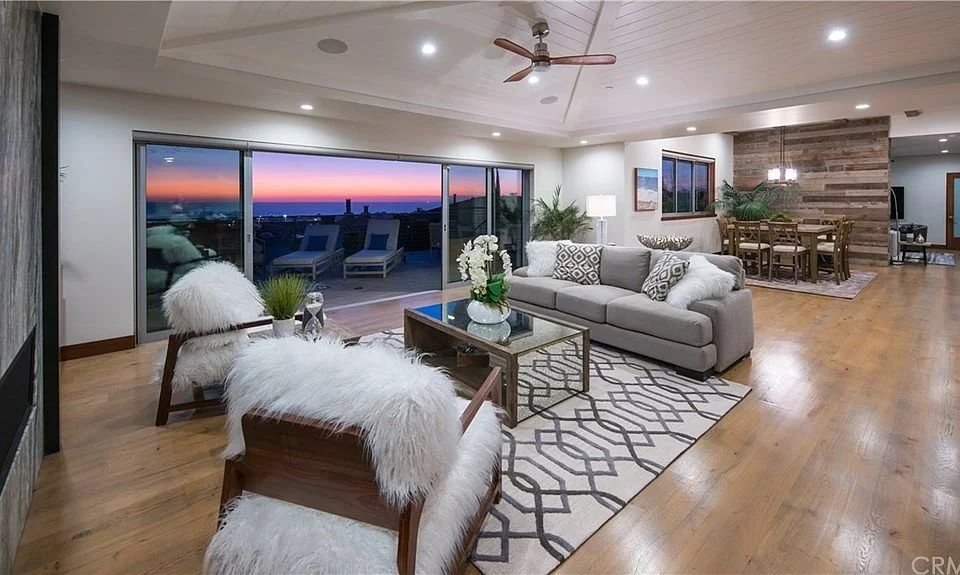
What Makes a Home Great, and Why It Doesn’t Have to Be New
Proportion, flow and light: what I look for in a house as an appraiser, and why it outlasts the finishes.
Read No. 01Also · No. 04Austin’s Second Market: The Homes That Never Reach the Big Websites